
Best seller
Composition
Peptides in Canada
Single-compound vials of one amino-acid chain, from the 3-residue KPV to the 191-residue somatropin sequence.
Composition
Peptides stocked in Canada
- Best seller
- Best seller
- Best seller
- Best seller
- Best seller
- Best seller
- Best seller
- Sold out
- Sold out
- Sold out
- Sold out
- Sold out
- Sold out
- Sold out
- Sold out
- Sold out
- Sold out
- Sold out
- Sold out
- Sold out
- Sold out
- Sold out
- Sold out
- Sold out
- Sold out
- Sold out
- Sold out
- Sold out
- Sold out
- Sold out
- Sold out
- Sold out
- Sold out
- Sold out
- Sold out
- Sold out
- Sold out
- Sold out
- Sold out
- Sold out
- Sold out
- Sold out
- Sold out
- Sold out
- Sold out
- Sold out

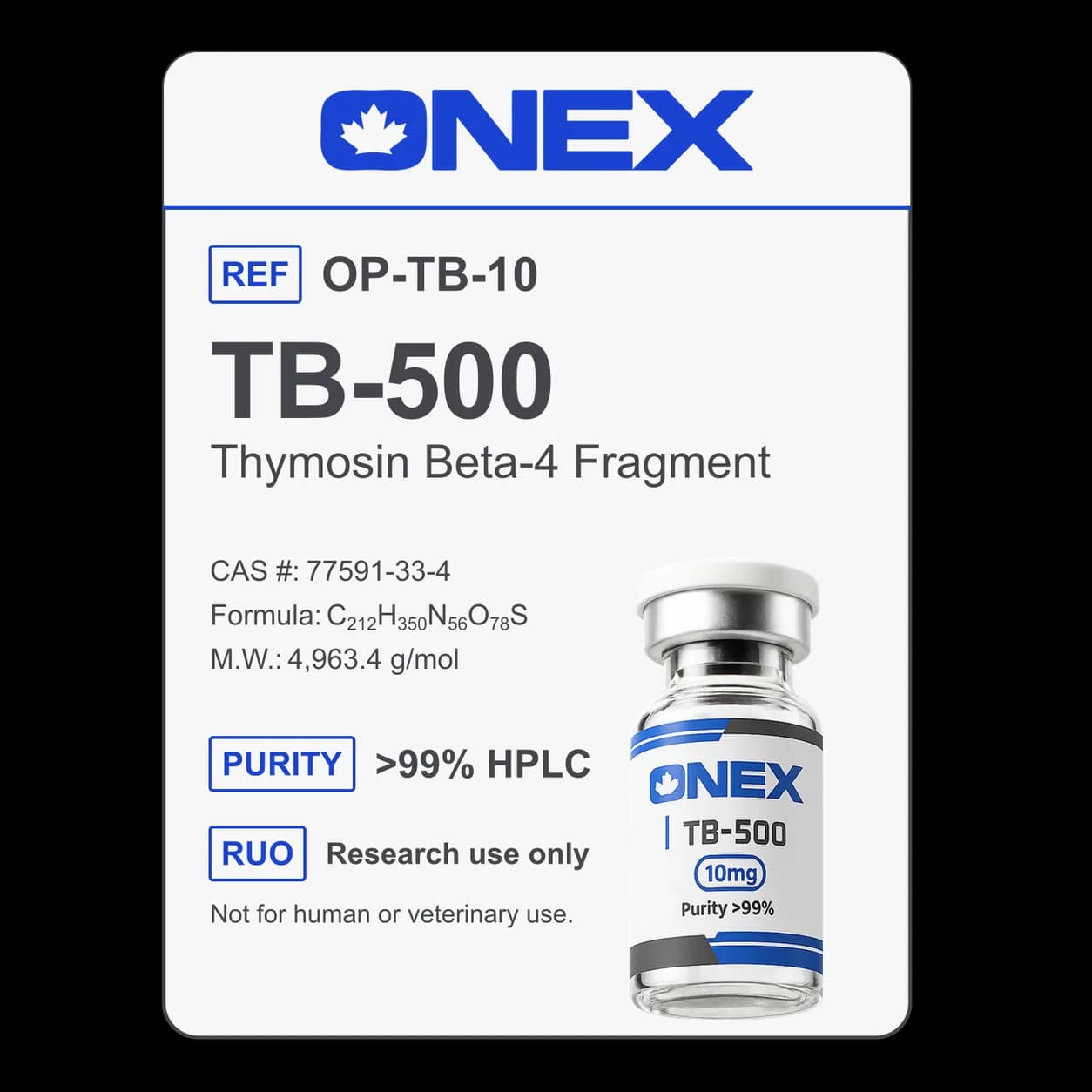

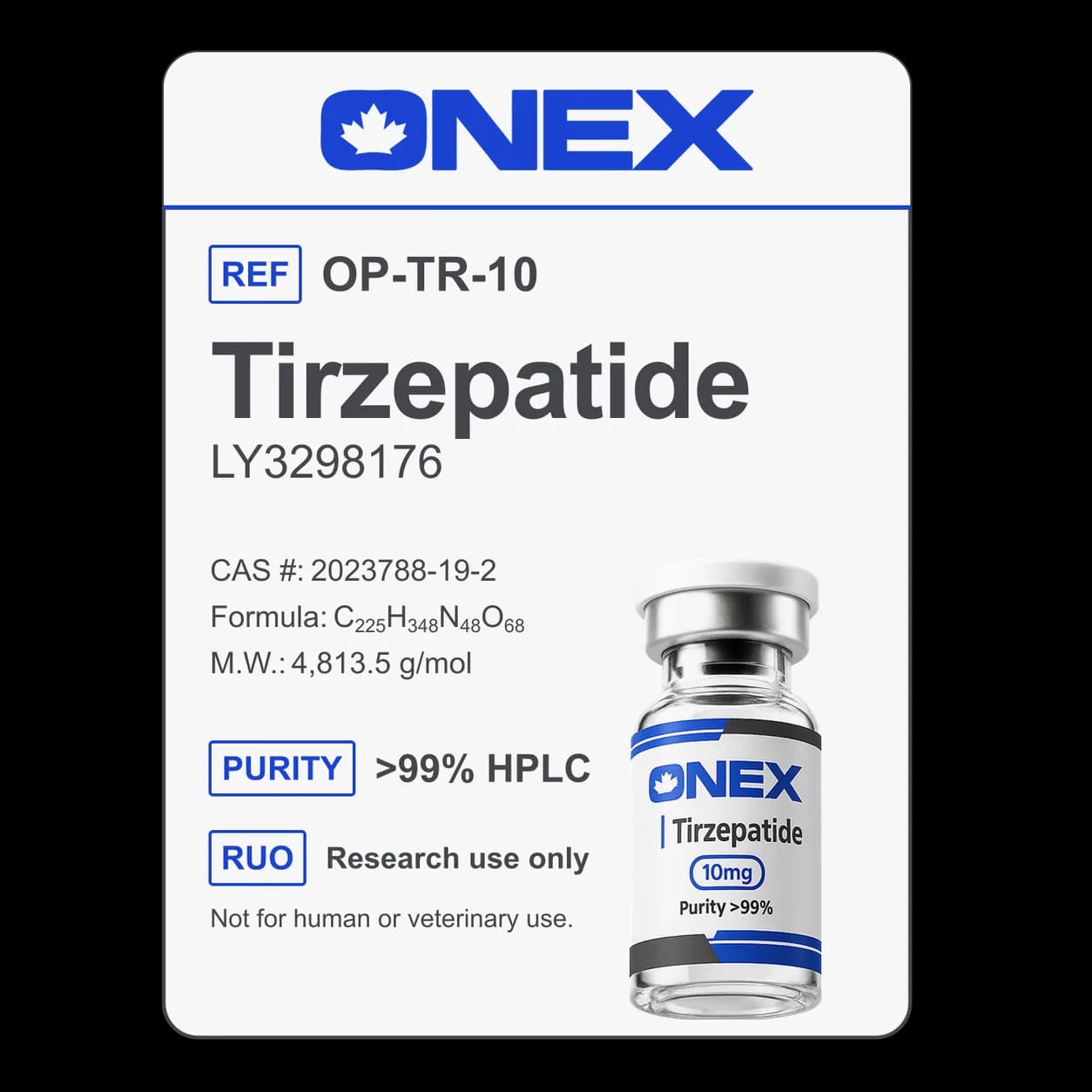
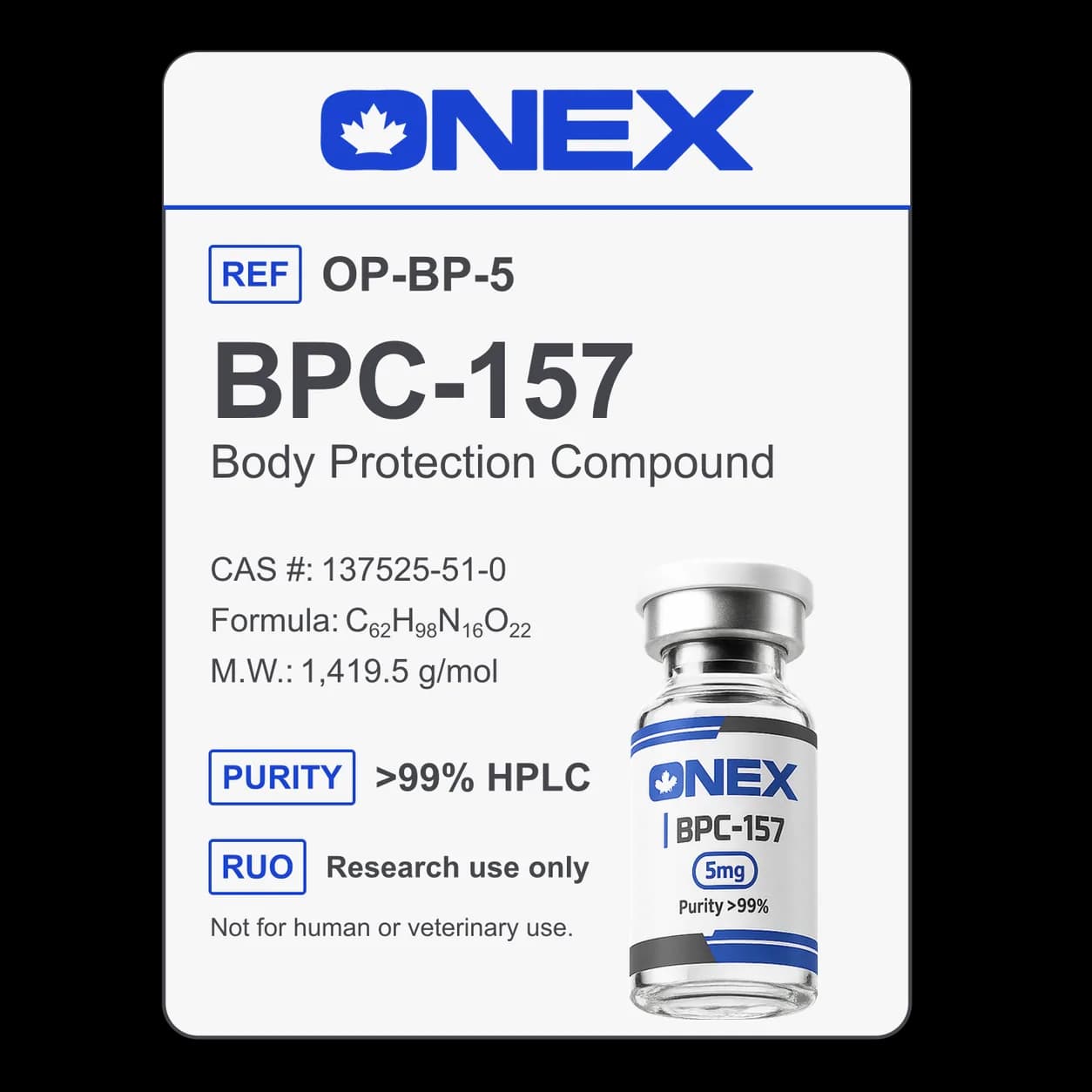
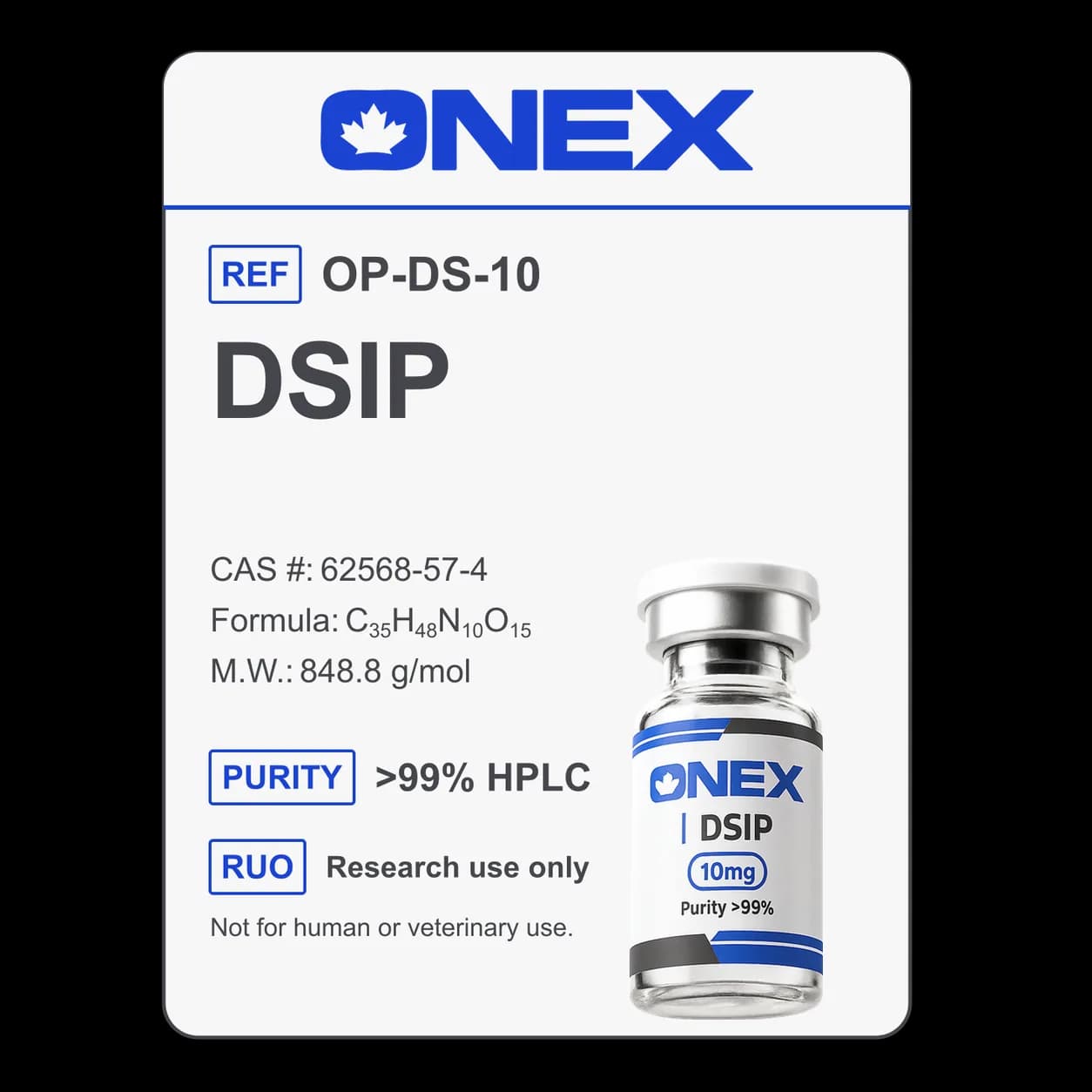


Browse by compound
A compound supplied in several vial sizes has one page comparing every fill side by side, with the specification and the certificates they share. The rest link straight to the vial.
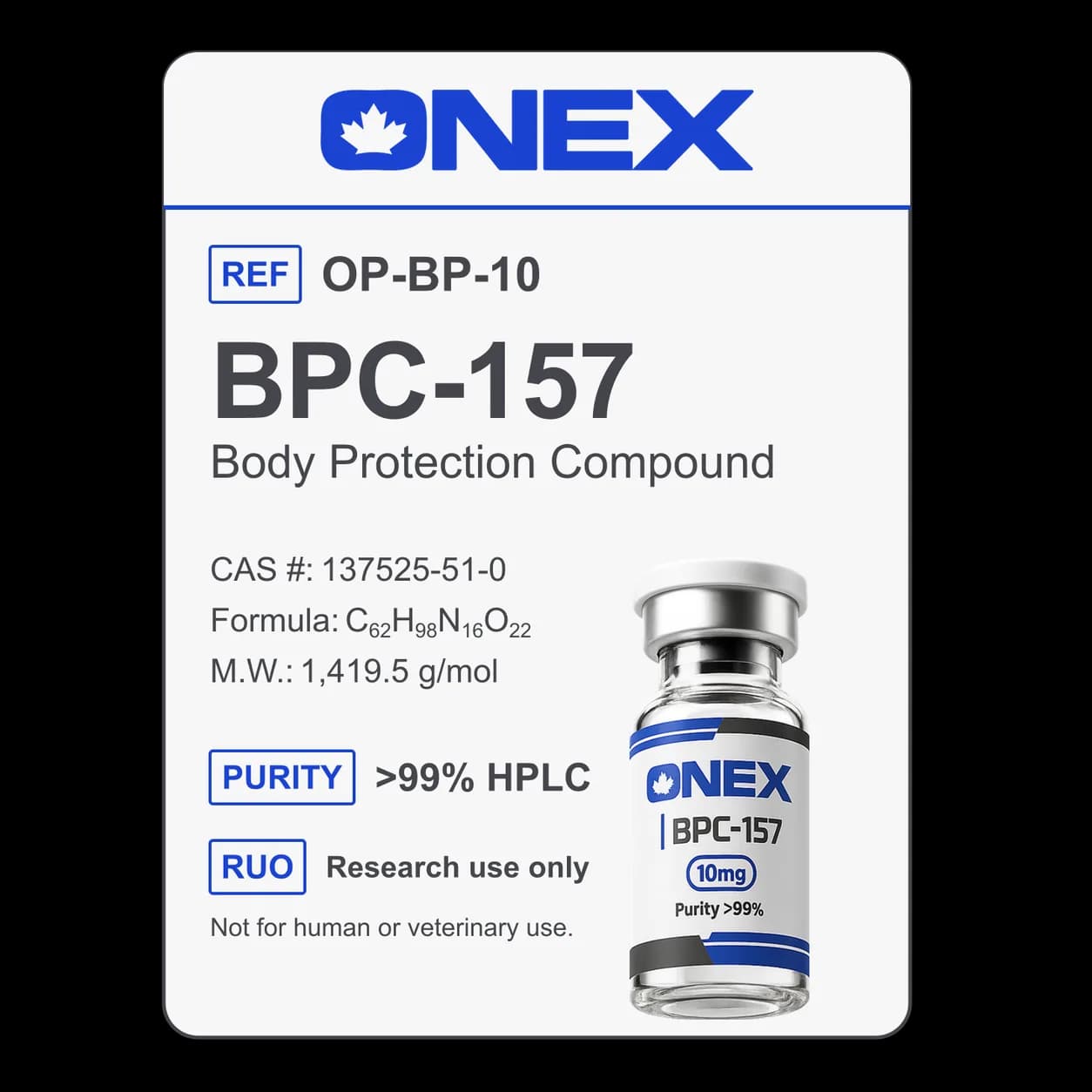
BPC-157 in Canada
2 fillsCagrilintide in Canada
2 fillsGHRP-2 in Canada
2 fillsGHRP-6 in Canada
2 fillsHCG in Canada
2 fillsHGH 24iu in Canada
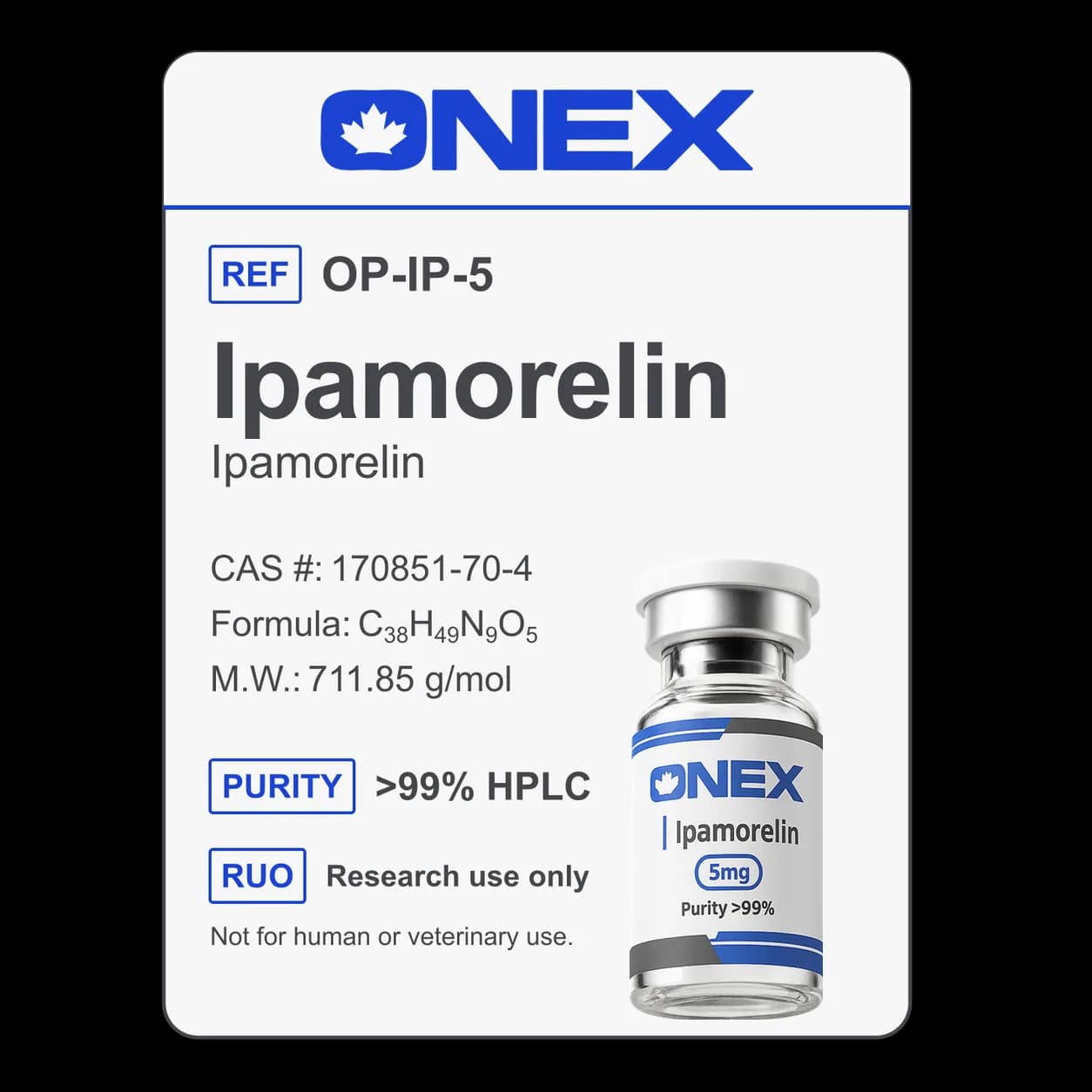
1 fillIpamorelin in Canada
2 fillsMOTS-c in Canada
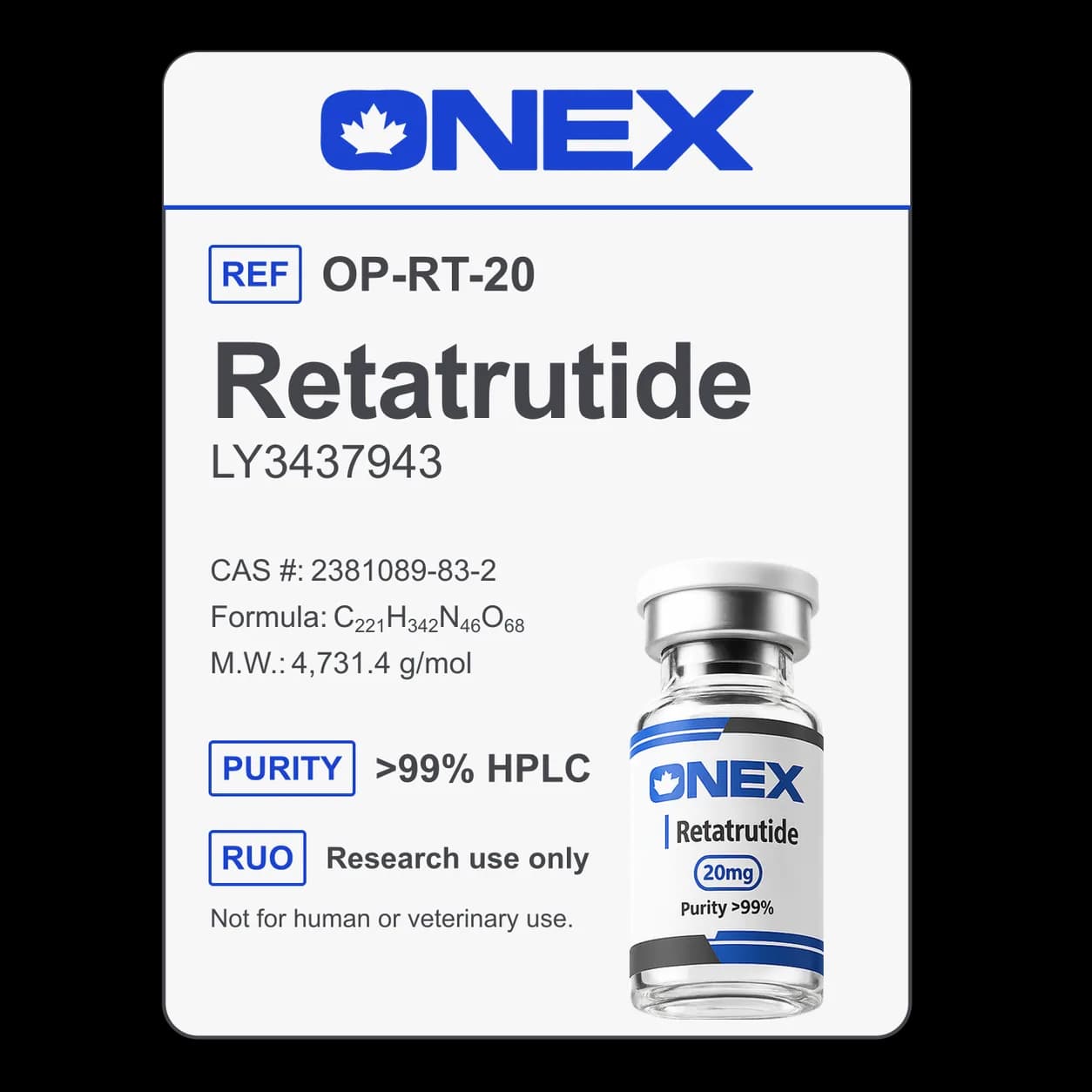
2 fillsRetatrutide in Canada
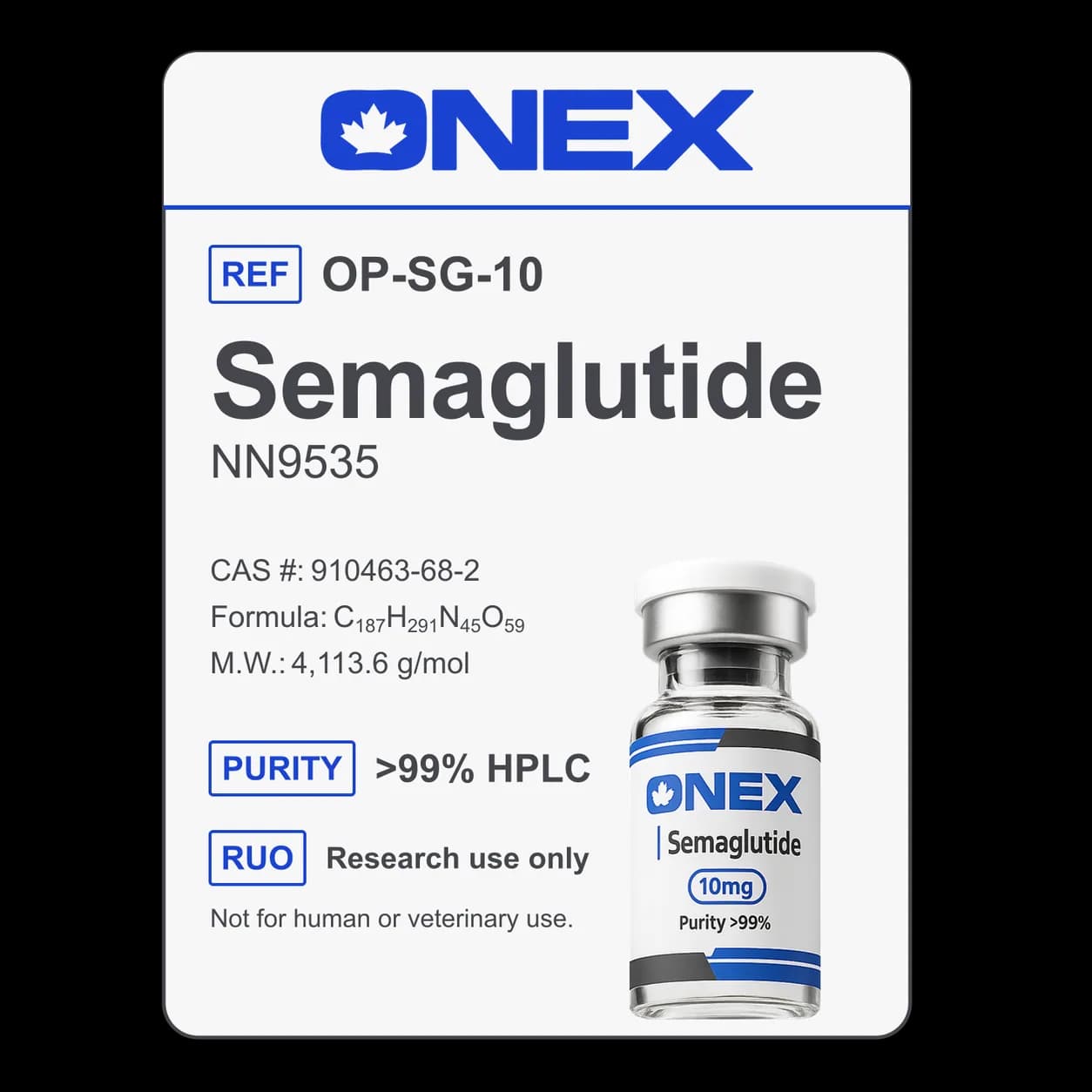
4 fillsSemaglutide in Canada
2 fillsSermorelin in Canada
2 fillsTB-500 in Canada
2 fillsTirzepatide in Canada
2 fills
What a research peptide is
The largest group in the catalogue, and the one the others are defined against.
Amino acids joined in a stated order
A peptide is a chain of amino acids linked by peptide bonds — the same bond chemistry that builds a protein, at a length short enough that the sequence itself is the identity of the substance. What distinguishes one vial in this group from another is the order of the residues and nothing else: two peptides of identical composition in a different sequence are different substances with different masses and different retention times.
That is why a certificate of analysis for a peptide reports both an identity test and a purity test. Mass spectrometry confirms the molecule weighs what the stated sequence should weigh; HPLC separates it from everything else in the vial and reports the proportion of the peak area that belongs to the target. Neither measurement alone establishes what is in a vial, which is why both appear on the report.
From three residues to one hundred and ninety-one
This group spans a wider size range than the word "peptide" usually implies. The shortest chain stocked here is three residues; the longest is the 191-residue somatropin sequence, with an IGF-1 analogue at 83 residues and a receptor-Fc fusion in between. All of them are built from amino acids, which is the line this catalogue draws — not a residue count.
Length is a fact about the molecule and not a grade. A longer chain is not a more refined product, and a shorter one is not a simpler one; both are released against the same specification and tested by the same methods.
Supplied lyophilised, for a reason
Every peptide here ships as a lyophilised powder in a sealed vial rather than in solution. Freeze-drying removes the water a peptide needs in order to degrade, which is what lets a vial travel across the country at ambient temperature without a cold chain and without the specification drifting in transit.
It also means the vial you receive is the material the certificate describes. A solution has a shelf life that starts when it is made; a sealed lyophilised powder is still the lot that was tested.
Sold-out listings stay published rather than being removed, so their specifications, catalogue numbers and certificates remain readable while the compound is out of stock. For laboratory research use only. Not for human or veterinary use.